Watercolor Pink SPA Beauty Clipart Png: A Designer's Guide to Quality and Usage
In the world of digital design, the difference between a project that feels authentic and one that looks generic often comes down to the assets you choose. When creating invitations for a wellness retreat, branding for a boutique salon, or designing packaging for handmade soaps, the visual language must speak of tranquility and care. This is where Watercolor Pink SPA Beauty Clipart Png becomes an essential tool. These high-quality, hand-painted illustrations offer a soft, organic aesthetic that stock photography simply cannot replicate. However, many creators rush into purchasing these assets without understanding the technical nuances that determine their final quality on screen and in print.
Understanding the Value of Hand-Painted Spa Elements
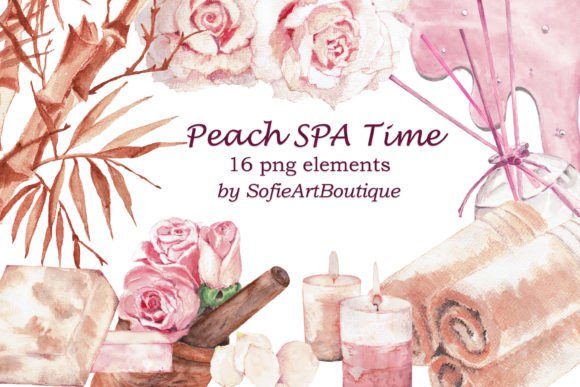
The appeal of this specific collection lies in its texture and color palette. Unlike flat vector graphics, which can sometimes feel sterile, watercolor illustrations capture the fluidity of nature. The set typically includes sixteen distinct elements such as roses in a mortar, aromatic oil bottles, candles, hyacinths, and fluffy towels. These items are rendered in soothing shades of peach and pink, evoking a sense of relaxation immediately upon viewing.
For entrepreneurs running beauty salons or bloggers writing about self-care routines, these images serve as more than just decoration. They act as visual anchors that communicate "wellness" before a single word is read. Whether you are designing a visit card, a social media banner, or a mood board for a new product line, the ability to layer these transparent PNGs allows for creative freedom that rigid templates do not offer. The inclusion of separate images with transparent backgrounds means you can mix and match a candle with a rose or place a bottle of oil next to a towel without fighting against a white square background.
Common Mistakes When Selecting Digital Art Assets
Despite the clear benefits, there are several pitfalls that designers and business owners frequently encounter when sourcing clipart. The most common error is ignoring resolution specifications. Many free or low-cost resources offer images at 72 dpi, which is acceptable for small web icons but disastrous for print materials like invitations or packaging labels. If you scale up a low-resolution image, it will appear pixelated and blurry, instantly undermining the professional look of your brand.
Another frequent oversight is failing to verify the file format and background transparency. Some sellers label files as "transparent" but provide JPEGs with white edges or halos around the subject. This makes it difficult to blend the artwork seamlessly into your design. When using Watercolor Pink SPA Beauty Clipart Png, you need true PNG files where the background is completely invisible, allowing you to place the element over any colored background or texture without unsightly borders.
Color profiles also present a hidden challenge. Digital screens use RGB (Red, Green, Blue) color modes, while professional printers often require CMYK. While the standard for digital downloads is usually RGB, assuming these colors will print exactly as they appear on your monitor can lead to disappointment. Soft pinks and peaches can sometimes shift toward muddy tones if the printer does not handle the RGB conversion correctly. It is crucial to understand that while the provided files are optimized for digital use and high-quality home printing, large-scale commercial printing may require additional color management steps.
The Impact of Poor Asset Choices on Your Brand
The consequences of overlooking these details extend beyond simple aesthetics. Using low-resolution or poorly formatted clipart can damage your credibility. Imagine sending out a beautifully written invitation to a spa weekend, only for the recipient to receive a flyer where the central floral illustration looks jagged and cheap. This inconsistency suggests a lack of attention to detail, which is ironic for a business selling relaxation and luxury.
Furthermore, inefficient file management can waste valuable time. If you download a bundle that requires you to manually remove white backgrounds from each image, you lose hours of productivity. For freelancers and small business owners operating on tight deadlines, this inefficiency directly impacts your bottom line. You want assets that are "ready-to-use," meaning you can drag, drop, and resize them without needing advanced photo editing skills to clean them up first.
How to Evaluate Quality Before Downloading
To avoid these issues, adopt a checklist approach before finalizing any purchase or download. First, always check the dimensions and DPI. The ideal standard for versatile clipart is 300 dpi with dimensions around 3000 x 3000 pixels. This ensures that whether you are printing a small sticker or a large banner, the image retains its crisp, hand-painted texture. The specific set mentioned earlier meets this criteria, offering 10x10 inches at 300dpi, which is excellent for both web and print applications.
Secondly, inspect the preview images closely. Zoom in on the edges of the flowers, bottles, and towels. Look for "haloing"—a faint white outline that indicates the background was not cleanly removed. High-quality PNGs should have soft, natural edges that blend perfectly with other design elements. Additionally, verify that the files are delivered in a compressed ZIP format containing individual PNG files rather than a single flattened image. This separation is vital for flexibility, allowing you to use just the candle or just the rose depending on your layout needs.
Practical Applications for Wellness Designers
Once you have secured high-quality assets, the possibilities for application are vast. These illustrations work exceptionally well for textile design, where the soft watercolor texture mimics fabric patterns naturally. They are also perfect for packaging; imagine a box of bath salts featuring a delicate hyacinth and a bottle of oil printed directly on the surface. The organic feel of the art enhances the perception of natural ingredients.
For digital marketers, these images are gold for Social Media and Web design. A carousel post featuring a "Good Morning" message paired with a watercolor towel and rose creates an immediate emotional connection with the audience. Because the files are RGB, they display vibrant and true-to-life colors on Instagram, Pinterest, and websites. You can also use them to create mood boards for clients, helping them visualize the atmosphere of their future spa or salon before construction even begins.
Strategic Advice for Long-Term Use
To get the most out of your Spa and Bath clipart collection, organize your files systematically. Since you will likely receive a ZIP file containing multiple layers or variations, keep them in a dedicated folder named clearly, such as "Spa_Assets_300DPI." This prevents version confusion later when you need to update a design. Also, consider creating a library of reusable templates. Combine your favorite clipart elements with standard text boxes for announcements, sale banners, or appointment reminders. This workflow efficiency allows you to maintain a consistent brand voice across all your communications without starting from scratch every time.
Finally, remember that good design is about balance. While these watercolor elements are beautiful, they should complement your typography and layout, not overwhelm them. Use the negative space effectively. Let the soft pinks and peaches breathe by pairing them with ample white space or neutral tones. By respecting the artistic integrity of the hand-painted style, you ensure that your final designs convey the serenity and professionalism that your audience expects from a wellness brand.