Online Shop Elements Illustration Guide
In the fast-paced digital marketplace, visual communication is not merely an aesthetic choice; it is a fundamental component of user experience and conversion strategy. An Online Shop Elements Illustration serves as the visual vocabulary of e-commerce, translating complex transactional processes into intuitive, engaging, and trustworthy interfaces. Whether you are designing a minimalist boutique website or a bustling multi-vendor platform, the right vector assets can bridge the gap between abstract functionality and human connection.
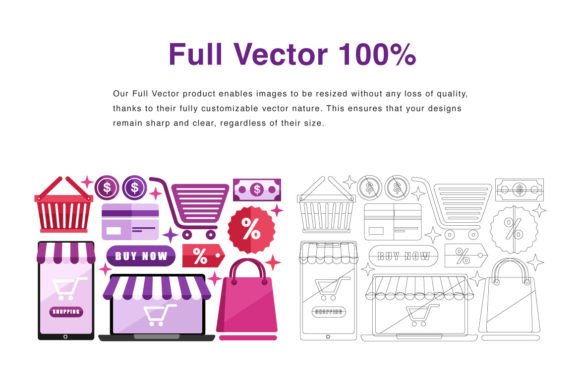
These meticulously crafted illustrations offer more than just decorative value. They provide a structured visual journey through the digital marketplace, showcasing icons and elements that represent critical touchpoints such as online shopping carts, secure payment methods, global shipping logistics, and customer support. For e-commerce entrepreneurs, web designers, and marketers, integrating high-quality online shop vectors is a strategic move to enhance brand presence and usability.
The Strategic Value of Visual Clarity
At its core, an Online Shop Elements Illustration collection captures the essence of modern retail: convenience, speed, and reliability. When a user lands on your site, they are looking for cues that confirm they are in a safe, professional environment. Generic stock photos often fail to convey this specific narrative because they lack customization and contextual relevance. In contrast, tailored illustrations allow you to control the tone, color palette, and style of your digital storefront.
Consider the checkout process. It is often the point of highest friction in the customer journey. By using clear, friendly illustrations to represent steps like "Add to Cart," "Secure Payment," and "Order Confirmation," you reduce cognitive load. These visuals act as signposts, guiding the user seamlessly from interest to purchase. The attention to detail in contemporary aesthetics ensures that these elements do not just function; they delight. They make the digital interface feel less like a machine and more like a helpful assistant.
Creative Applications Across Industries
The versatility of Online Shop Elements Illustrations extends far beyond standard retail websites. Different sectors can adapt these assets to meet unique audience needs and business goals.
- E-commerce Startups: New brands often struggle to establish trust. Using consistent, high-quality vectors for shipping boxes, delivery trucks, and satisfaction guarantees helps build credibility before a single review is written.
- Digital Marketers: For promotional materials, social media campaigns, or email newsletters, these illustrations provide a cohesive visual identity. They help convey the appeal of sales events, flash deals, or new product launches without cluttering the design with text.
- Bloggers and Educators: Content creators writing about finance, technology, or consumer trends can use these elements to break up long-form text. An illustration of a mobile payment interface can clarify a paragraph about fintech trends more effectively than words alone.
- App Developers: User interface (UI) designers benefit significantly from scalable vector graphics (SVG). These files remain crisp on any screen size, ensuring that icons for search, filters, and profiles look professional on both smartphones and desktop monitors.
Choosing the Right Style for Your Brand
Not all illustrations serve the same purpose. The style you choose should reflect your brand’s personality and resonate with your target demographic. When selecting an Online Shop Elements Illustration set, consider the following approaches:
Minimalist and Line Art
This style is ideal for luxury brands or tech-focused platforms where cleanliness and sophistication are paramount. Thin lines and ample white space create a sense of elegance and ease. It suggests that the shopping experience is effortless and uncluttered.
Bold and Colorful
For brands targeting younger audiences or those selling vibrant lifestyle products, bold colors and playful shapes work wonders. This approach injects energy into the site, making the act of shopping feel fun and exciting. It is particularly effective for fashion, food, and entertainment sectors.
Isometric and Detailed
If your business involves complex logistics or technical products, isometric illustrations can provide depth and clarity. They allow you to show the inner workings of a service, such as how a package moves through a distribution center, adding a layer of transparency and professionalism.
Technical Considerations for Designers
For web designers and developers, the technical format of your assets is as important as their visual appeal. A comprehensive Online Shop Elements Illustration pack should include multiple file formats to ensure flexibility across different platforms and workflows.
EPS and AI files are essential for designers who need to edit the vectors. These formats allow you to change colors, adjust strokes, and modify shapes to match your exact brand guidelines. This level of customization ensures that your visuals remain original and consistent with your overall design system.
SVG files are crucial for web implementation. Unlike raster images, SVGs are code-based, meaning they load quickly and scale infinitely without losing quality. This improves page load speeds, which is a critical factor for SEO and user retention. Additionally, SVGs can be animated with CSS or JavaScript, allowing for interactive elements like a shopping cart that shakes when an item is added.
PNG files with transparent backgrounds are useful for quick implementations in presentations, social media posts, or platforms that do not support vector editing. Having access to all these formats ensures that you are prepared for any creative challenge.
Enhancing User Engagement Through Storytelling
Each illustration tells a story of seamless transactions and limitless choices. To maximize engagement, think of your illustrations as part of a narrative. Do not just place a generic "shipping" icon on your page. Instead, curate a sequence that follows the customer’s journey: browsing, selecting, paying, and receiving. This visual storytelling reinforces the convenience of online shopping and reminds users that the future of retail is at their fingertips.
For example, on a 404 error page, instead of a standard message, use an illustration of a confused shopper or an empty shelf with a humorous twist. This turns a potential frustration into a moment of brand connection. Similarly, on a success page after purchase, use celebratory elements like confetti or a happy delivery character to reinforce the positive emotion of completing a transaction.
Best Practices for Implementation
To keep your results clear, effective, and audience-friendly, follow these practical recommendations:
- Maintain Consistency: Ensure all illustrations share the same line weight, color palette, and perspective. Mixing styles can make your site look disjointed and unprofessional.
- Prioritize Accessibility: Always include alt text for your images. Describe the function of the illustration, such as "Icon representing secure credit card payment," to ensure screen readers can interpret the content for visually impaired users.
- Avoid Clutter: Use illustrations to support content, not overwhelm it. Leave enough white space around each element to let it breathe and maintain focus on the call-to-action.
- Test for Responsiveness: Verify that your illustrations look good on various devices. Complex details may get lost on smaller screens, so simplify designs if necessary for mobile views.
By diving into the world of digital commerce with these tools, you elevate your online brand. You move beyond simple transactions to create an experience that is engaging, trustworthy, and distinctly yours. Whether you are refining an existing site or launching a new venture, investing in high-quality Online Shop Elements Illustrations is a step toward a more compelling and successful digital presence.